
equippedtoprosper
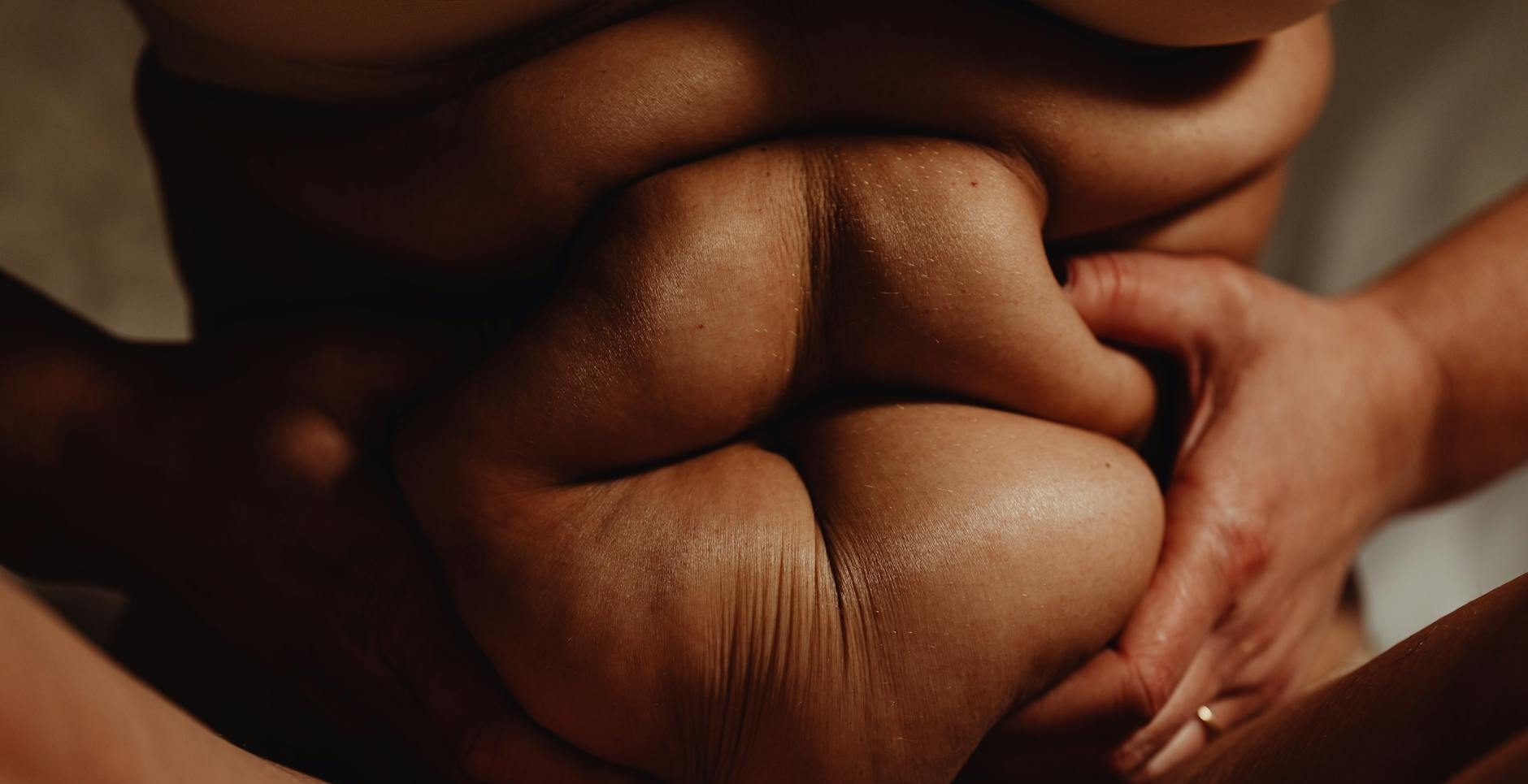
Body image is deeply personal, but its effects often extend beyond the individual, influencing how we connect and communicate in relationships. For Africans, where cultural ideals of beauty can differ significantly from Western standards, navigating these concerns in relationships can be particularly complex. Understanding how body image affects relationships and taking proactive steps to address these challenges can lead to healthier and more fulfilling partnerships.
Body image refers to how we perceive and feel about our bodies. These perceptions are shaped by cultural influences, media portrayals, and personal experiences. When negative body image arises, it can lead to insecurities, impacting how individuals interact with their partners.
According to a study by the National Eating Disorders Association, dissatisfaction with body image is linked to communication challenges, reduced intimacy, and increased conflict in relationships. In African contexts, where traditional beauty ideals coexist with globalized standards, the pressure to conform can exacerbate these struggles.
For many Africans, discussing body image openly may feel taboo. Cultural norms often discourage vulnerability, especially among men, making it difficult to address such concerns within relationships. Additionally, external factors such as societal expectations, family commentary, and stereotypes can intensify these insecurities.
A report from WHO Africa highlights how societal pressures contribute to rising body image concerns among Africans, particularly with the growing influence of social media. This underscores the importance of fostering supportive and open dialogue within relationships to address these issues.
Healthy communication is the cornerstone of resolving body image concerns in relationships. Here are actionable steps to begin addressing the issue:
Admitting insecurities can be difficult, but it’s the first step toward resolution. When you feel ready, share these concerns with your partner to build trust and understanding. Research by Psychology Today emphasizes that vulnerability strengthens emotional bonds in relationships.
Timing is crucial when discussing sensitive topics. Find a quiet moment when you both feel calm and are unlikely to be interrupted. This allows for an open, distraction-free conversation.
To avoid sounding accusatory, express concerns using “I” statements. For example, instead of saying, “You don’t understand how I feel,” try, “I feel insecure about my body and need support.” This approach fosters understanding rather than defensiveness.
While open communication is essential, relationships thrive when both partners actively work to support one another. Here are ways to build a healthier dynamic:
Partners should encourage positive behaviors rather than criticize perceived flaws. Studies from Harvard Health show that positive reinforcement improves self-esteem and strengthens relationships.
Social media and cultural narratives often promote unrealistic beauty standards. Resist the urge to compare yourself or your partner to others. Instead, focus on your unique strengths and qualities as a couple.
Physical appearance is just one aspect of a person. Remind each other of the qualities you value most, such as kindness, intelligence, or humor. This shift in focus helps build self-confidence and deepens emotional connections.
In African societies, traditional standards of beauty often value curvier body types, associating them with health, fertility, and wealth. However, exposure to global beauty trends has led to conflicting ideals.
For instance, in some African families, a woman’s weight may become a topic of discussion during gatherings, often framed as a marker of success or failure. This dynamic can strain relationships, especially when one partner feels judged or unsupported. Addressing these cultural nuances with empathy is essential for creating understanding and harmony within relationships.
A study from the Journal of Health Psychology highlights how reconciling traditional and modern beauty standards is vital for improving body image satisfaction among Africans.
Sometimes, body image concerns may deeply affect a person’s mental well-being and relationship. In such cases, seeking professional help is essential. Therapy provides a safe space to unpack insecurities and explore their root causes.
Equipped to Prosper connect Africans with culturally competent therapists who understand the unique intersection of body image, culture, and relationships. Whether individually or as a couple, therapy can be transformative.
Participate in activities that promote a positive body image, such as exercise, cooking healthy meals, or taking dance classes together. These activities not only improve physical health but also boost confidence.
Cultivate gratitude for your body and its abilities. A study by UC Berkeley found that practicing gratitude enhances overall well-being and reduces body dissatisfaction.
Self-compassion involves treating yourself with kindness and understanding. This could include journaling, mindfulness, or daily affirmations. Encourage your partner to adopt these habits as well, fostering mutual growth.
When body image concerns are addressed with care and mutual support, relationships become stronger. Couples learn to navigate challenges together, creating a foundation of trust and respect.
It’s also important to remember that building a healthy body image is a journey. Celebrate small victories along the way, whether it’s overcoming a negative thought or sharing an open conversation with your partner.
A report by The Gottman Institute reveals that supportive relationships are critical for improving body image and overall life satisfaction. This underscores the importance of prioritizing emotional well-being within partnerships.
Body image concerns can be challenging, but they don’t have to define or harm your relationship. By fostering open communication, practicing self-compassion, and seeking professional support when needed, couples can overcome insecurities together.
Remember, your value isn’t solely tied to your appearance—it’s defined by your character, love, and resilience. For those seeking culturally sensitive support, Equipped to Prosper is here to connect you with resources and African therapists who understand your journey.
Your relationship—and your body image—deserve care, kindness, and understanding. Together, you can create a partnership built on love and mutual growth.
We hope you found this helpful! Take care of your mind, body and soul.
Equipped To Prosper